


Adjustment of Status Lawyer Dallas: Family Green Card Process Explained
Families already living in the United States often pursue permanent residence through adjustment of status, rather than leaving the country for consular processing. While this path can be faster and more convenient, it is also highly technical. Working with an experienced adjustment of status lawyer Dallas families rely on can prevent delays, denials, or accidental status violations.
This guide explains how adjustment of status works, who qualifies, and how Dallas immigration attorneys help families move from temporary status to lawful permanent residence.
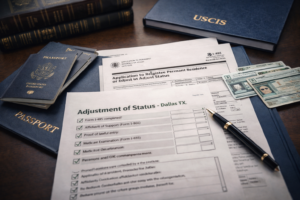
Our Dallas immigration attorneys at Cerreta Law guide families through the adjustment of status process with a focus on compliance and long-term success.
What Is Adjustment of Status?
Adjustment of status allows eligible immigrants to apply for a green card without leaving the United States. Instead of attending an interview at a U.S. embassy abroad, applicants complete the process through USCIS while remaining in Dallas or elsewhere in Texas.
Family-based adjustment of status is commonly used by:
-
Spouses of U.S. citizens
-
Parents of U.S. citizens
-
Certain children of U.S. citizens or green card holders
A knowledgeable adjustment of status lawyer Dallas residents trust evaluates eligibility carefully before filing, as not every applicant qualifies for this pathway.
Who Is Eligible for Adjustment of Status in Dallas?
Eligibility depends on multiple factors, including how the applicant entered the U.S. and whether they maintained lawful status.
Common Eligibility Requirements
-
Lawful entry into the United States
-
Approved immigrant petition (often Form I-130)
- Form I-485 (Adjustment of Status)
-
Visa availability under U.S. immigration law
-
No disqualifying criminal or immigration violations
Most adjustment of status filings are based on an approved family petition, which begins with the I-130 process.
Immediate relatives of U.S. citizens often benefit from more flexible rules. In contrast, other family categories face stricter requirements.
Because eligibility rules are complex, families frequently consult a green card adjustment lawyer Dallas applicants depend on to assess risk before submitting Form I-485.
Adjustment of Status vs. Consular Processing
Many families ask whether adjustment of status or consular processing is the better option.
Adjustment of Status (Inside the U.S.)
-
Applicant remains in Dallas
-
May qualify for work authorization and travel permission
-
Interview held at local USCIS office
Consular Processing (Outside the U.S.)
-
Applicant must attend embassy interview abroad
-
Risk of travel bans or re-entry issues
-
Often used when adjustment is not permitted
An experienced adjustment of status lawyer Dallas TX families consult explains which option is legally safest based on the applicant’s history.
Key Forms in a Family-Based Adjustment Case
Adjustment cases typically involve filing several forms together:
-
Form I-485 – Application to Adjust Status
-
Form I-130 – Family relationship petition
-
Form I-864 – Affidavit of Support
-
Form I-765 – Work authorization (optional)
-
Form I-131 – Advance parole (optional)
Errors in any of these filings can delay approval. A skilled adjustment of status lawyer Dallas clients rely on ensures forms are consistent, complete, and properly supported.
How Long Does Adjustment of Status Take in Dallas?
Processing times vary depending on:
-
USCIS workload
-
Applicant category
-
Background checks
-
Interview scheduling
Most family-based cases take 8–14 months on average. However, missing documents or interview issues can extend timelines significantly.
Families working with an adjustment of status lawyer Dallas residents recommend often receive more predictable timelines due to proactive case management.

Why Legal Representation Matters for Adjustment Cases
Adjustment of status is discretionary. Even eligible applicants may be denied if USCIS identifies inconsistencies or legal concerns.
An experienced attorney helps with:
-
Eligibility screening
-
Filing strategy
-
RFE responses
-
Interview preparation
-
Post-approval compliance
Many Dallas families connect adjustment filings with broader family-immigration planning. For a complete overview of sponsorship options, see our Dallas family visa immigration lawyer pillar guide.
USCIS Interviews, RFEs, and How an Adjustment of Status Lawyer Dallas Prepares Families
After an adjustment of status application is filed, many applicants are surprised to receive a Request for Evidence (RFE) or an interview notice from USCIS. These steps are common and do not mean a case will be denied—but how they are handled can determine the outcome.
An experienced adjustment of status lawyer Dallas families rely on prepares clients well in advance, ensuring documentation, testimony, and timelines remain consistent.
Common USCIS Interview Topics
During a family-based adjustment interview, officers typically review:
-
The bona fide nature of the family relationship
-
Immigration history and prior entries
-
Employment authorization and lawful status
-
Financial sponsorship requirements
-
Security and admissibility questions
Even minor inconsistencies between forms, prior filings, or verbal answers can create delays. Proper preparation reduces unnecessary follow-up requests and stress.
Requests for Evidence (RFEs): Why They Happen and How to Respond
An RFE is USCIS’s way of asking for clarification or missing documentation. Common RFE triggers include:
-
Incomplete medical examinations
-
Insufficient financial sponsorship evidence
-
Missing civil documents
-
Conflicting information across forms
A knowledgeable adjustment of status lawyer Dallas applicants work with ensures RFEs are answered precisely, completely, and within the required timeframe. Incomplete or rushed responses often lead to second RFEs or denials.
Adjustment of Status Denials and Legal Options
While many adjustment applications are approved, denials do occur. Reasons may include:
-
Inadmissibility issues
-
Prior immigration violations
-
Insufficient proof of eligibility
-
Failure to respond properly to RFEs
When this happens, legal strategy becomes critical. Depending on the case, options may include:
-
Motions to reopen or reconsider
-
Refiling with corrected documentation
-
Consular processing alternatives
-
Defensive strategies if removal proceedings begin
Early legal planning significantly reduces the risk of reaching this stage.
How Adjustment of Status Connects to Long-Term Family Immigration Planning
Adjustment of status is often just one step in a broader immigration strategy.
For many families, working with a Dallas family visa immigration lawyer ensures each stage aligns with long-term permanent residence goals.
Families may later pursue:
-
Permanent residence conditions removal
-
Naturalization pathways
-
Sponsorship for additional relatives
-
Travel and reentry planning
This is why many Dallas families coordinate adjustment filings with broader family-immigration goals. For an overview of sponsorship options and visa categories, review the Dallas family visa immigration lawyer pillar guide already linked within this silo.
Timing, Processing Delays, and What Families Should Expect
Processing times for adjustment cases vary widely based on:
-
USCIS workload
-
Local field office backlogs
-
Case complexity
-
RFEs or interview requirements
While online estimates provide rough guidance, real-world timelines often differ. A seasoned adjustment of status lawyer Dallas families trust sets realistic expectations and monitors case progress to prevent avoidable delays.

Why Legal Guidance Matters Even in “Simple” Cases
Many applicants assume adjustment of status is straightforward if eligibility appears clear. However, USCIS evaluates cases holistically. Small oversights—such as outdated forms, incorrect filing sequences, or missing translations—can cause months of delay.
Legal guidance helps ensure:
-
Correct filing order
-
Accurate documentation
-
Compliance with current USCIS policy
-
Strategic preparation for interviews
This level of preparation protects families from unnecessary stress and uncertainty.
How This Article Fits Into the Dallas Immigration Content Silo
This article supports your larger Dallas family-immigration framework by addressing adjustment of status, one of the most common pathways to permanent residence. It works in coordination with:
-
Family visa sponsorship content
-
I-130 petition guidance
-
Spouse and marriage-based immigration articles
Together, these resources create a clear, authoritative pathway for families navigating U.S. immigration from within the United States.
When to Speak With an Adjustment of Status Lawyer Dallas Families Trust
Every family’s immigration situation is unique. While general information helps build understanding, personalized legal guidance ensures compliance, accuracy, and long-term success.
If your family is considering adjustment of status—or has already filed and received USCIS notices—consulting with an experienced attorney early can prevent costly delays and mistakes.